As agricultural expansion and invasive species reshape the Northern Great Plains, the ecological relationships between plants, insects, and their natural enemies are undergoing profound shifts. My research investigates how biological control agents interact with host plants and their environments to suppress pest populations and restore ecological balance. From wheat-dominated agroecosystems to rangeland invasions, I explore how chemical signaling, habitat structure, and multi-species interactions can be leveraged to enhance biocontrol efficacy and support resilient landscapes.
- Biological control
- Chemical ecology
- Plant–insect interactions
- Invasive species
- Integrated pest management
Master’s Thesis Completed 2024
Chemical Ecology and Agroecological Importance of Smooth Brome in Biological Control of Wheat Stem Sawfly
- System
- Wheat stem sawfly, its Bracon parasitoids, and smooth brome
- Methods
- Chemical ecology, behavioral assays, field surveys
- Where
- Central and northern Montana
- Advisor
- Dr. David Weaver
PhD Research Current
Biological Control of Yellow and Dalmatian Toadflax in Montana and South Dakota
- Target weeds
- Yellow and Dalmatian toadflax
- Biocontrol agents
- Rhinusa pilosa, Mecinus janthinus, M. janthiniformis
- Where
- Montana and South Dakota
- Advisor
- Dr. Robert Peterson
Master’s Thesis Completed 2024
Chemical Ecology and Agroecological Importance of Smooth Brome in Biological Control of Wheat Stem Sawfly
Advisor: Dr. David Weaver, Montana State University
Supported by the Montana Wheat and Barley Committee, the U.S. Department of Agriculture, and the USDA National Institute of Food and Agriculture.




My Master’s thesis with Dr. David Weaver at Montana State University combined chemical ecology, behavioral assays, and field surveys to investigate how volatile organic compounds (VOCs) emitted by wheat stem sawfly–infested smooth brome influence parasitoid attraction. Using electroantennography and gas chromatography, we found that smooth brome under sawfly attack emitted elevated levels of key volatiles — (Z)-3-hexenyl acetate, 6-methyl-5-hepten-2-one, and (E)-2-hexenal — that elicited strong antennal and behavioral responses from both Bracon parasitoid species.
In controlled olfactometer and wind tunnel trials, parasitoids consistently preferred volatile blends from infested smooth brome over those from infested wheat. Field surveys across central and northern Montana revealed that smooth brome adjacent to wheat fields had comparable sawfly infestation rates but significantly lower larval survival. Moreover, parasitism rates in smooth brome were consistently higher, especially in fall-collected stems, suggesting that this grass provides a valuable seasonal refuge for parasitoids.
Related publications
- Strand JR, Peterson RKD, Sterling TM, Weaver DK. 2025. Sensory and behavioral responses of braconid parasitoids to changes in volatile emissions induced by wheat stem sawfly larval feeding in winter wheat and smooth brome. Journal of Insect Science. DOI
- Strand JR, Peterson RKD, Sterling TM, Weaver DK. 2024. Agroecological importance of smooth brome in managing wheat stem sawfly via associated braconid parasitoids. Journal of Economic Entomology. 117(6): 2344–2354. DOI
PhD Research Current
Biological Control of Yellow and Dalmatian Toadflax in Montana and South Dakota
Advisor: Dr. Robert Peterson, Montana State University
Supported by the U.S. Forest Service and the Montana Noxious Weed Trust Fund, in partnership with CABI.


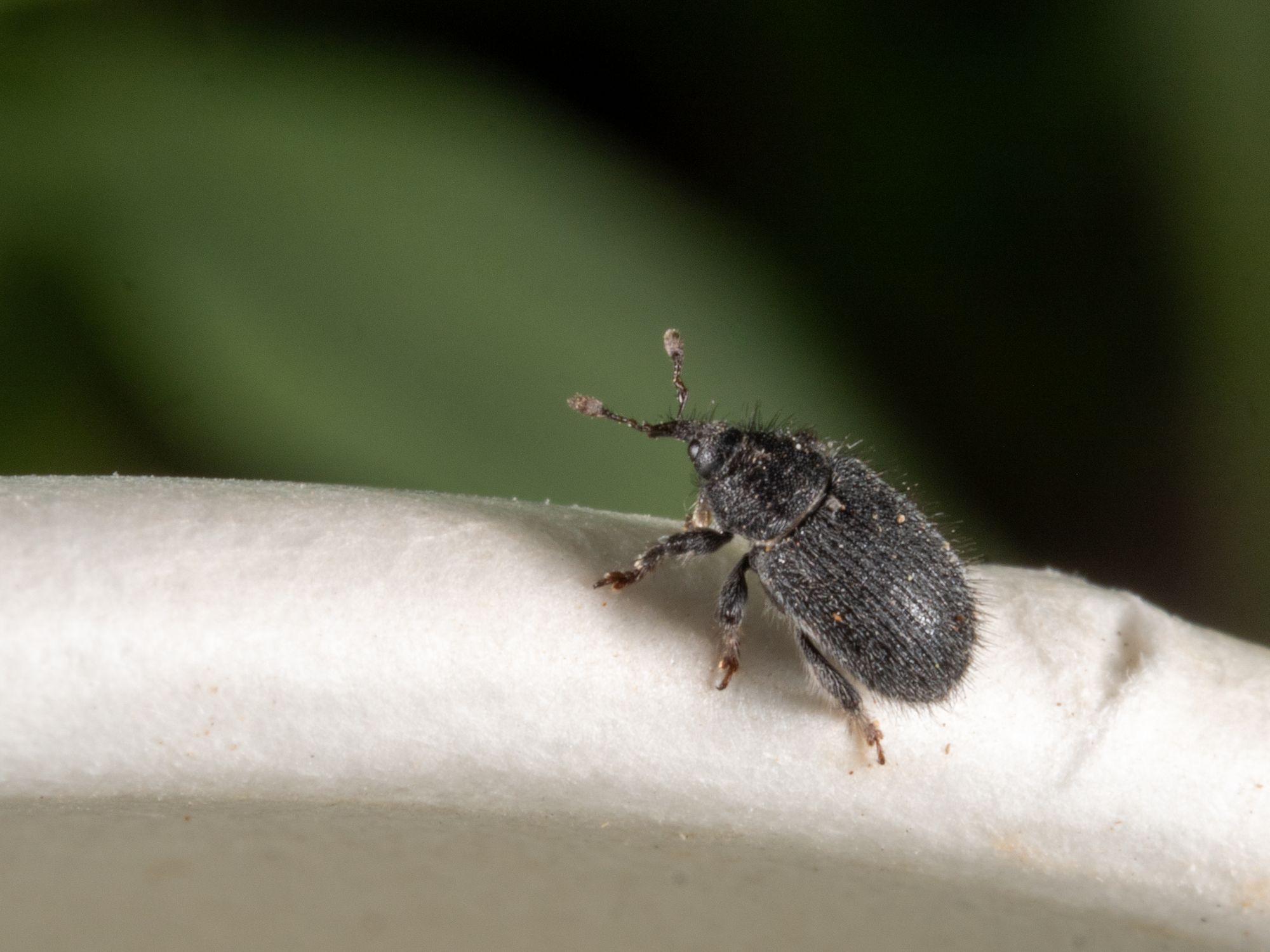
My current project with Dr. Robert Peterson at Montana State University investigates the establishment of the biological control agents Rhinusa pilosa and the two sister species Mecinus janthinus and Mecinus janthiniformis and their ability to suppress populations of yellow toadflax (Linaria vulgaris) and Dalmatian toadflax (Linaria dalmatica) in Montana and South Dakota. I study how these insects respond to chemical cues from their host plants and how these interactions are impacted by large ungulate herbivores, parasitism, and temperature extremes.
Four interconnected projects
-
Establishment of Rhinusa pilosa
Assessing survival, dispersal, and impact on plant density at release sites to see how well it controls yellow toadflax.
-
Large herbivore impacts
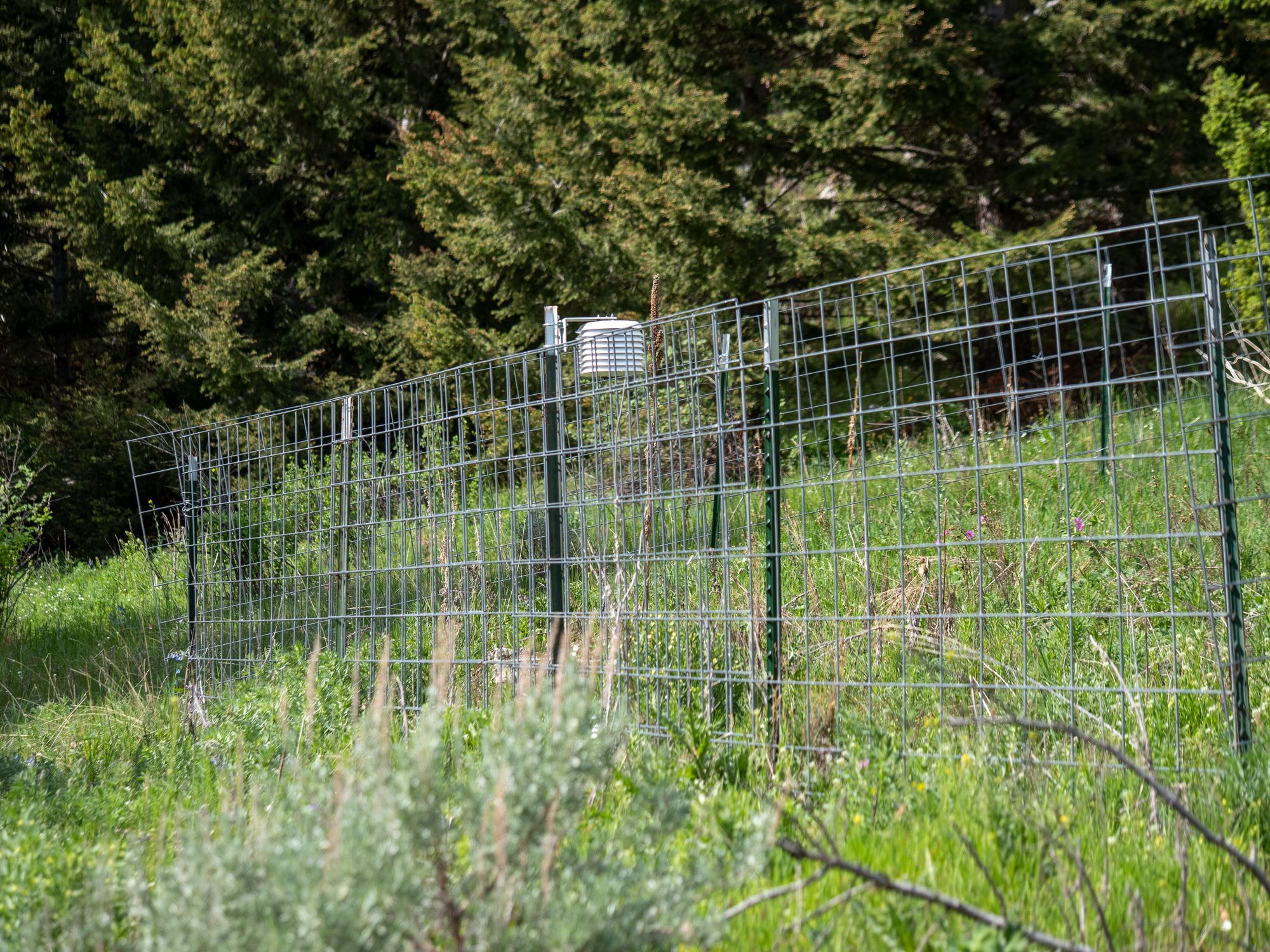
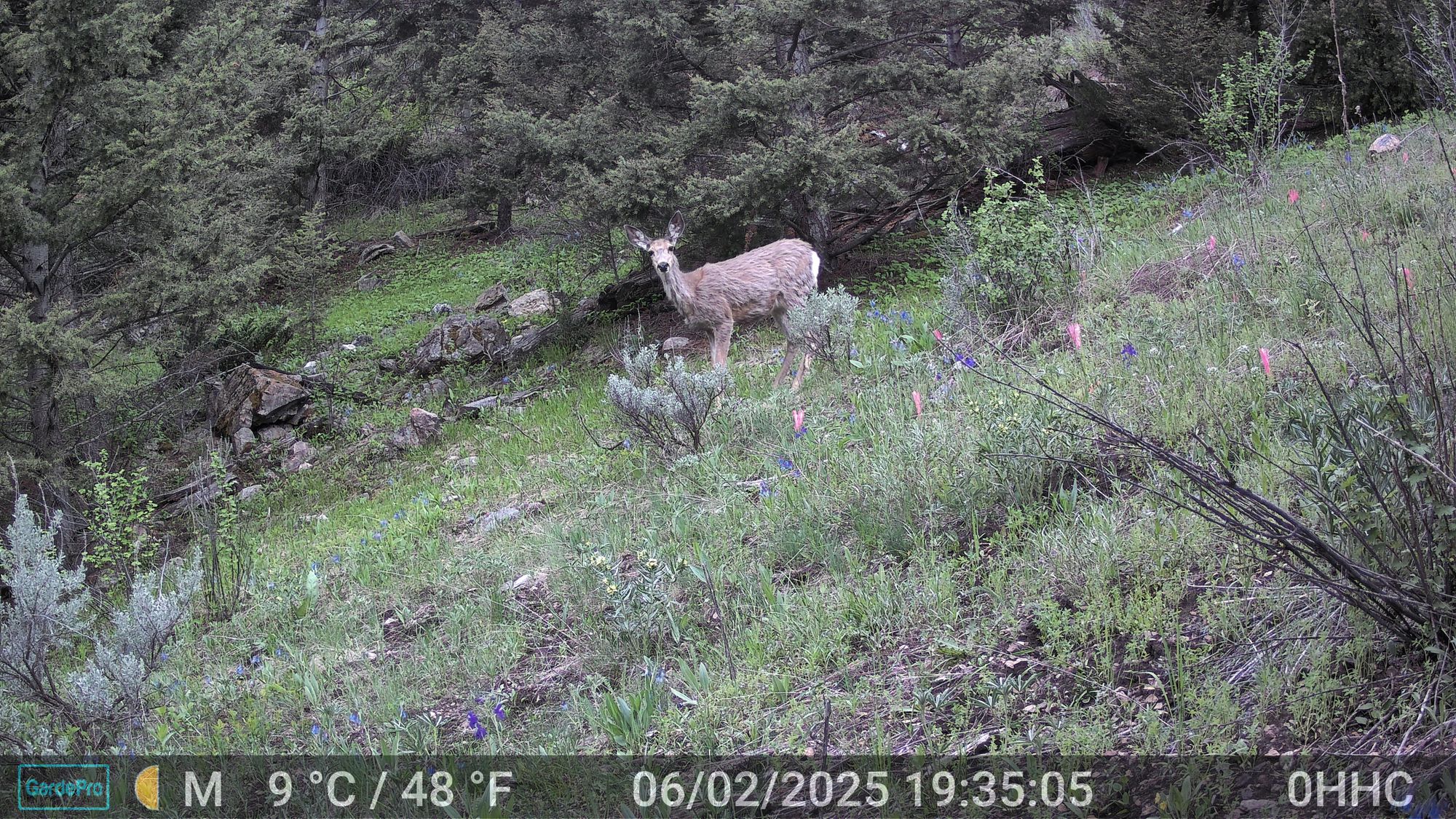
Building herbivore exclusion fences around release sites and monitoring herbivore activity in adjacent control areas.
-
Comparative plant stress
Measuring plant health and chemical emissions to determine how Rhinusa pilosa and Mecinus janthinus affect yellow toadflax individually and together.
-
Life table analyses
Quantifying mortality and performance of Mecinus janthinus and M. janthiniformis in the field, including effects of parasitoids, temperature extremes, and other environmental factors.