Field sites
Where the toadflax work happens
Yellow (Linaria vulgaris) and Dalmatian (L. dalmatica) toadflax are invasive plants from Europe that have spread widely across rangelands in the western United States. They form dense patches that crowd out native vegetation, reduce forage for livestock and wildlife, and are difficult or costly to control with herbicides or mechanical methods. My project focuses on biological control, using insects that naturally feed on toadflax, as a sustainable approach to long-term management.
I am working with three non-native weevil species: Mecinus janthinus, M. janthiniformis and Rhinusa pilosa. The two Mecinus species lay their eggs inside the stems, and the larvae feed as they tunnel through the plant. Rhinusa pilosa lays its eggs in the stem and triggers the plant to form a gall that feeds and shelters the larvae.
Montana
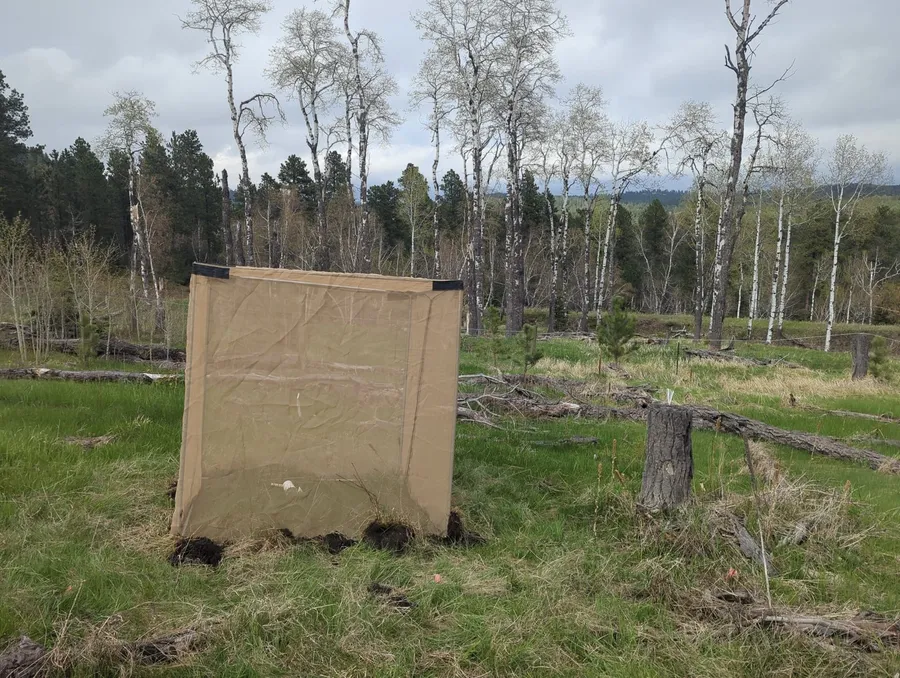
Elk Park
Elkhorn Mountains, Montana
A herbivore exclosure and a paired control grid for Rhinusa pilosa, with trail cameras and weather data loggers at both.
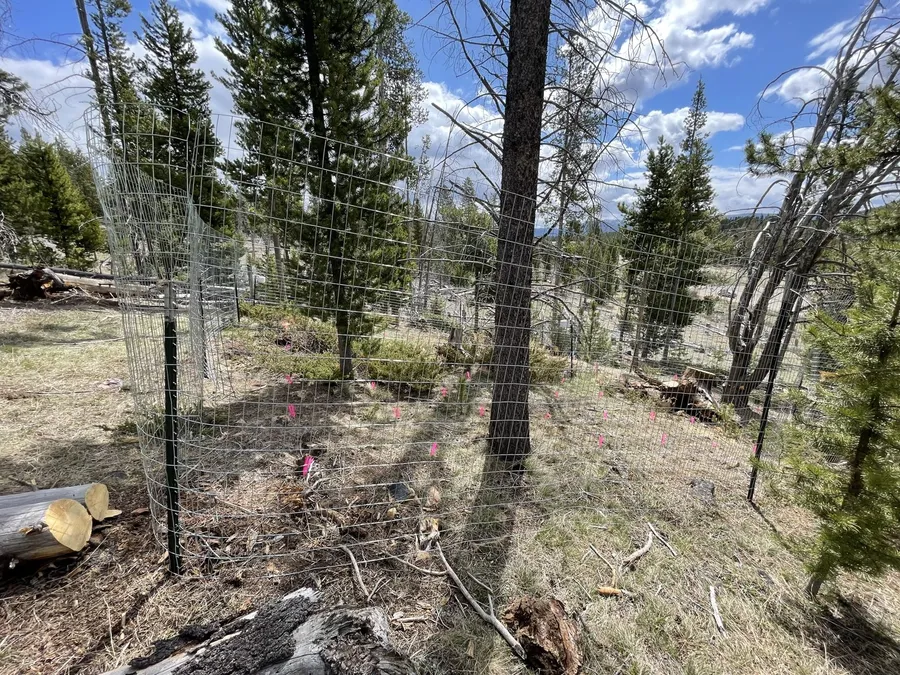
Badger Gulch
Elkhorn Mountains, Montana
Exclosure and control grids for Rhinusa pilosa, monitored with trail cameras and weather data loggers.
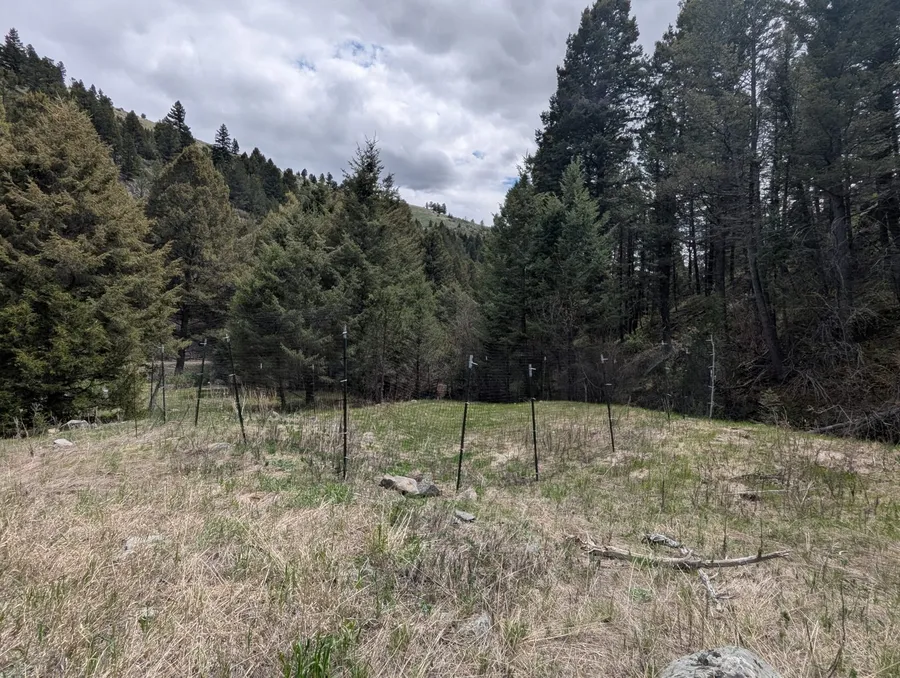
Hog Hollow
Elkhorn Mountains, Montana
Exclosure and control grids for Rhinusa pilosa on Forest Service land, with trail cameras and weather data loggers.
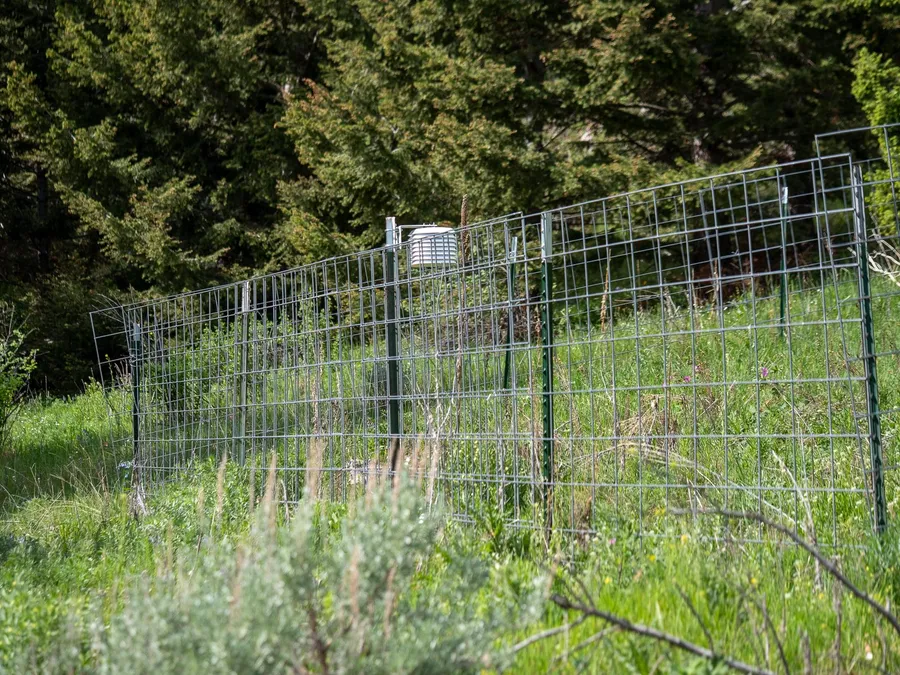
Slim Sam Creek
Elkhorn Mountains, Montana
A Dalmatian toadflax collection site for the life table project, a short drive from Hog Hollow.
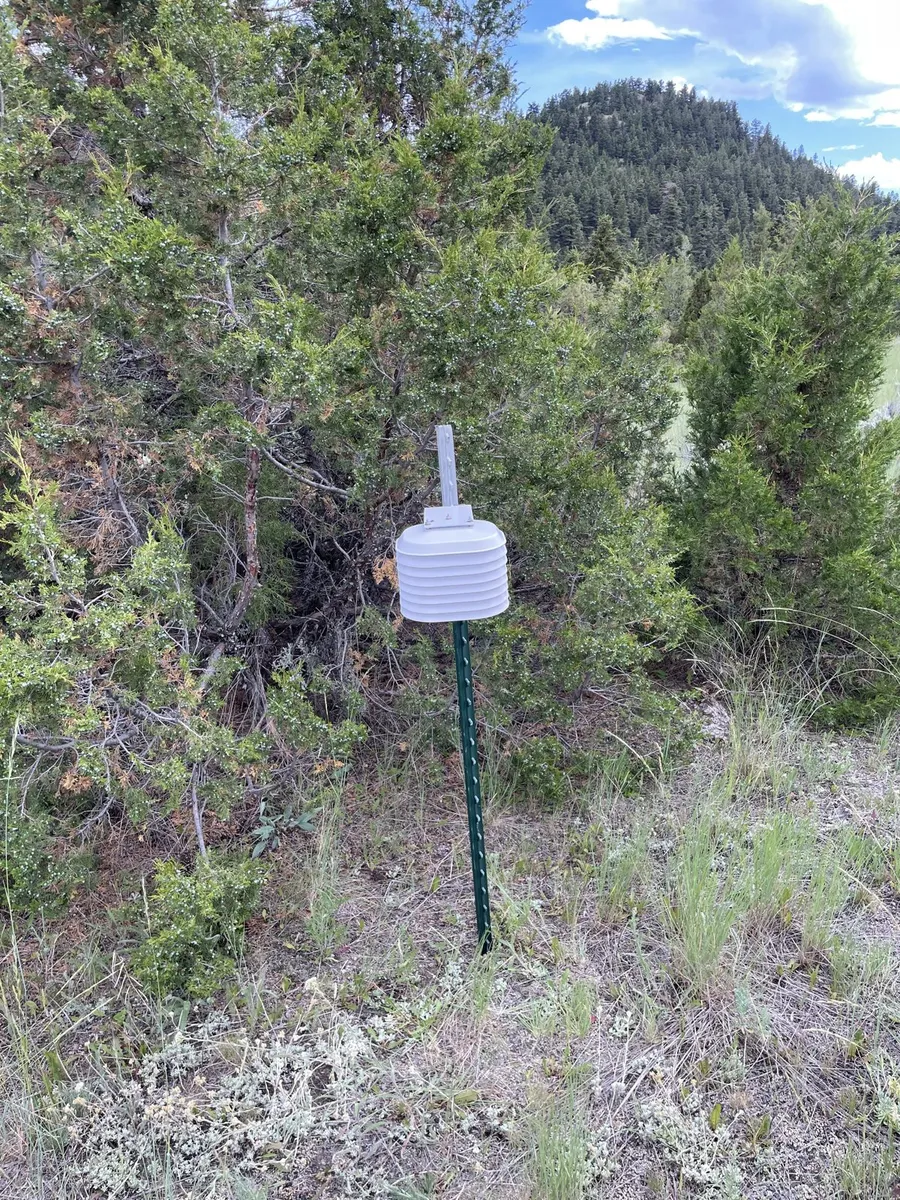
Phelps Creek
Gardiner, Montana
A Dalmatian toadflax collection site for life tables, overlooking Gardiner and Yellowstone National Park.
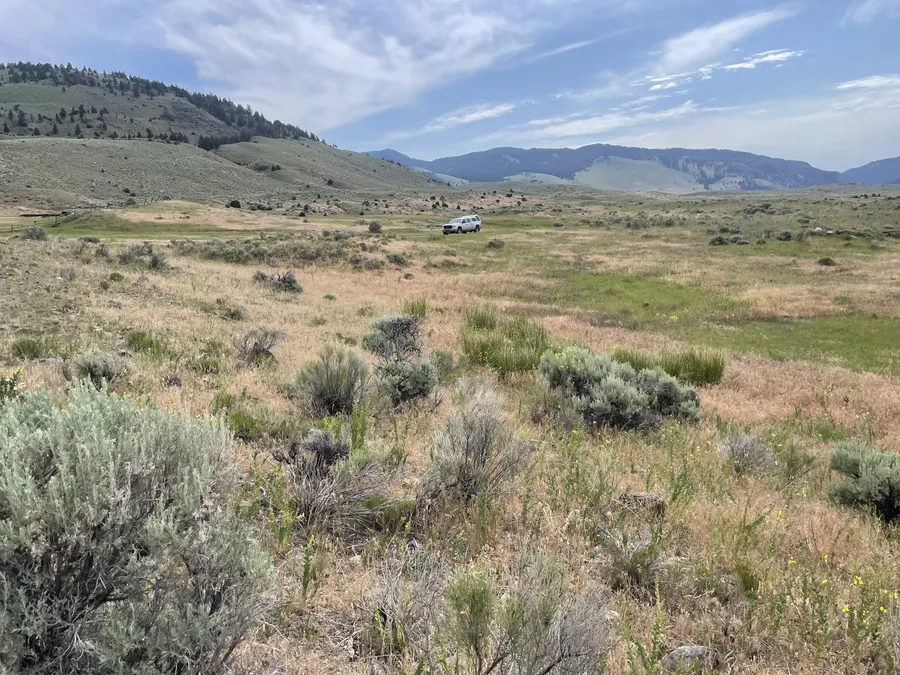
Copper Creek
Scapegoat Wilderness, Montana
A yellow toadflax collection site for the life table project.
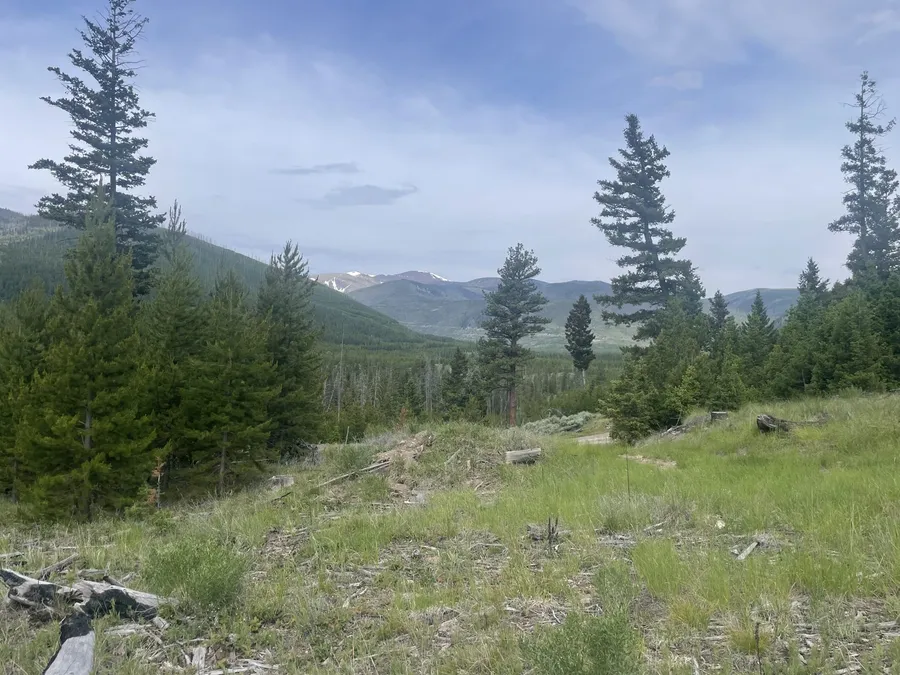
Alice Creek
Scapegoat Wilderness, Montana
A collection site for the life table project, visited alongside Copper Creek.
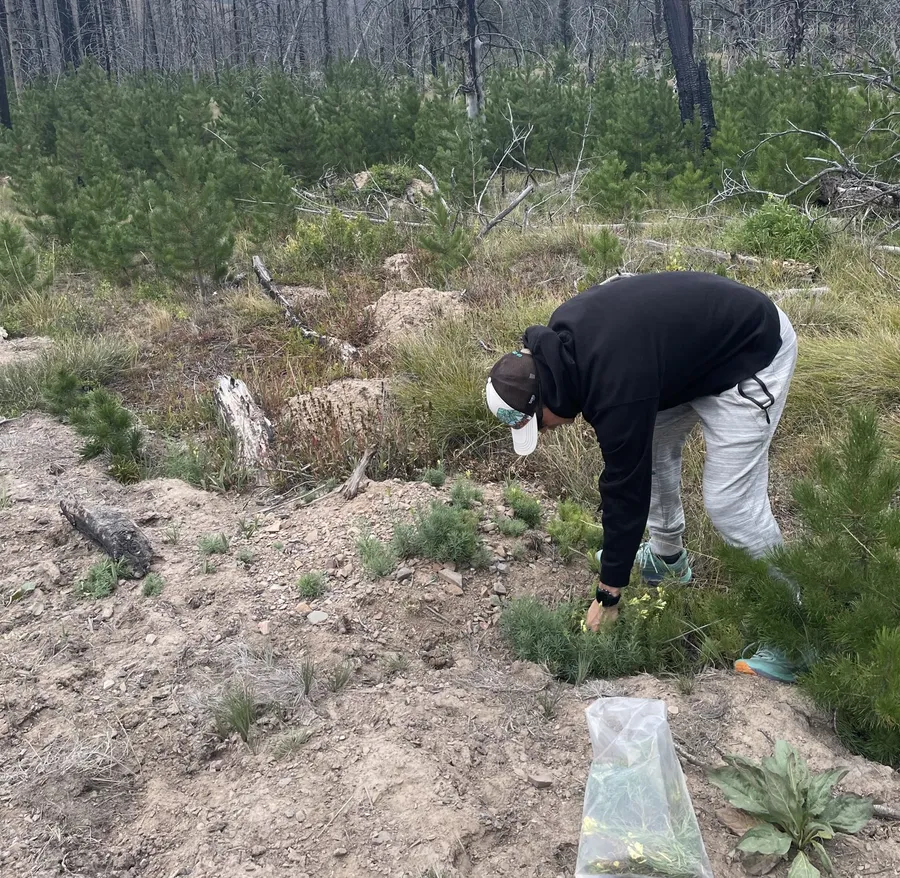
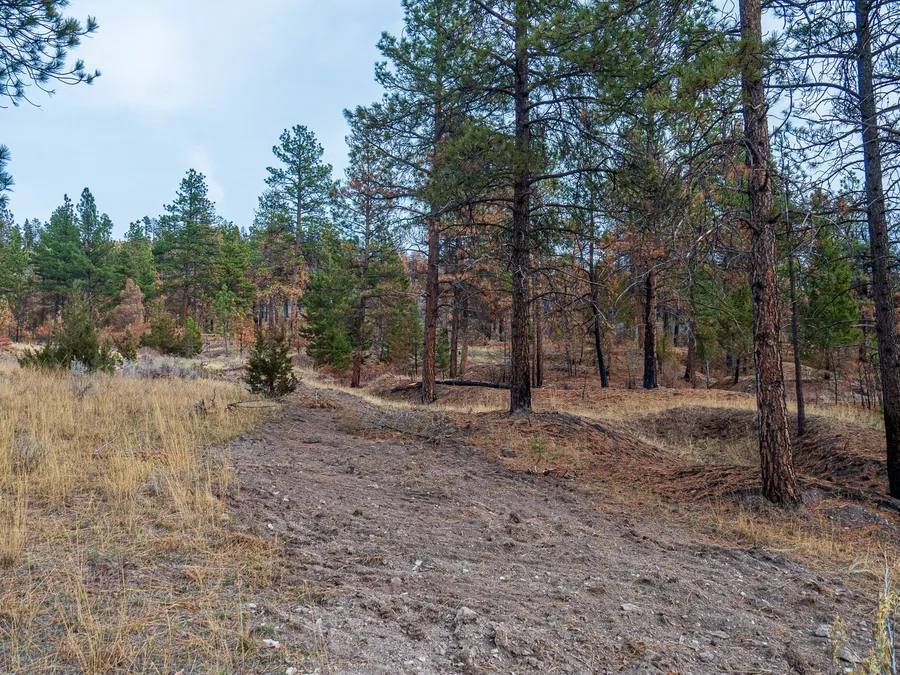
Horse Gulch Fire
Big Belt Mountains, Helena-Lewis and Clark National Forest
Site of the 2024 Horse Gulch Fire, north of Canyon Ferry Lake. Stems were collected from adjacent burned and unburned areas near historical Mecinus janthiniformis monitoring sites on Dalmatian toadflax.
South Dakota
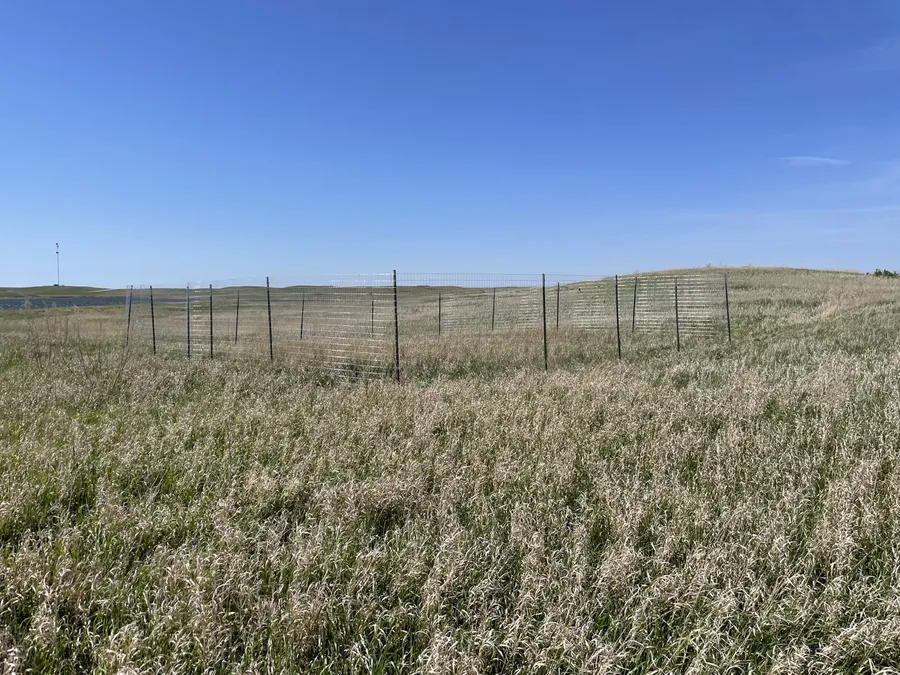
Sand Lake National Wildlife Refuge
Long Lake, South Dakota
A Rhinusa pilosa exclosure and control grid, plus a caged and an open Mecinus janthinus release transect in another part of the refuge.
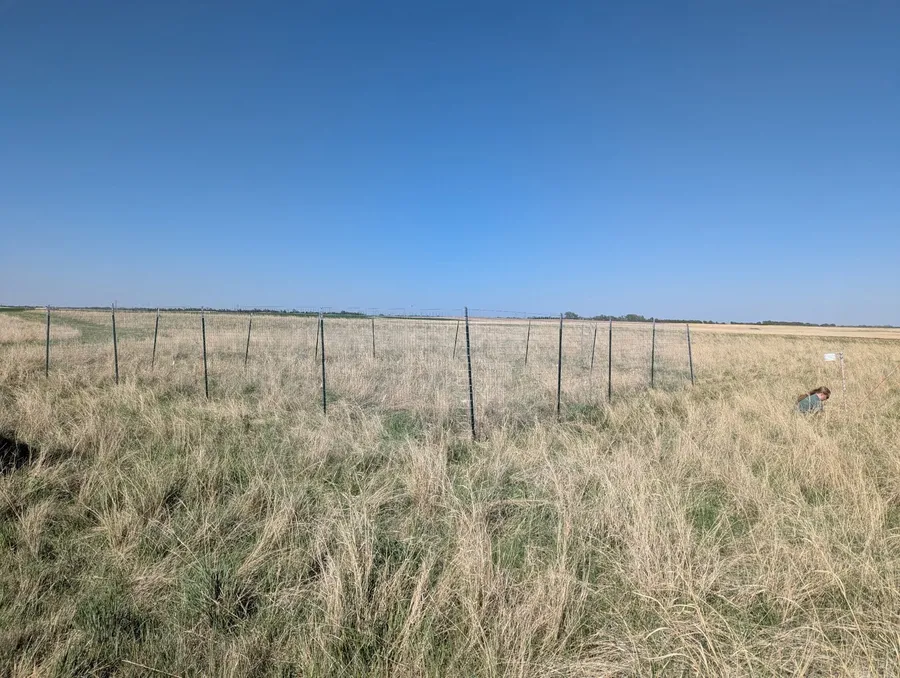
Schaunaman Ranch
Aberdeen, South Dakota
Privately owned rangeland with Rhinusa pilosa exclosure and control grids and a Mecinus janthinus cage and release. Thank you to Kirk and Craig Schaunaman for access to their land.
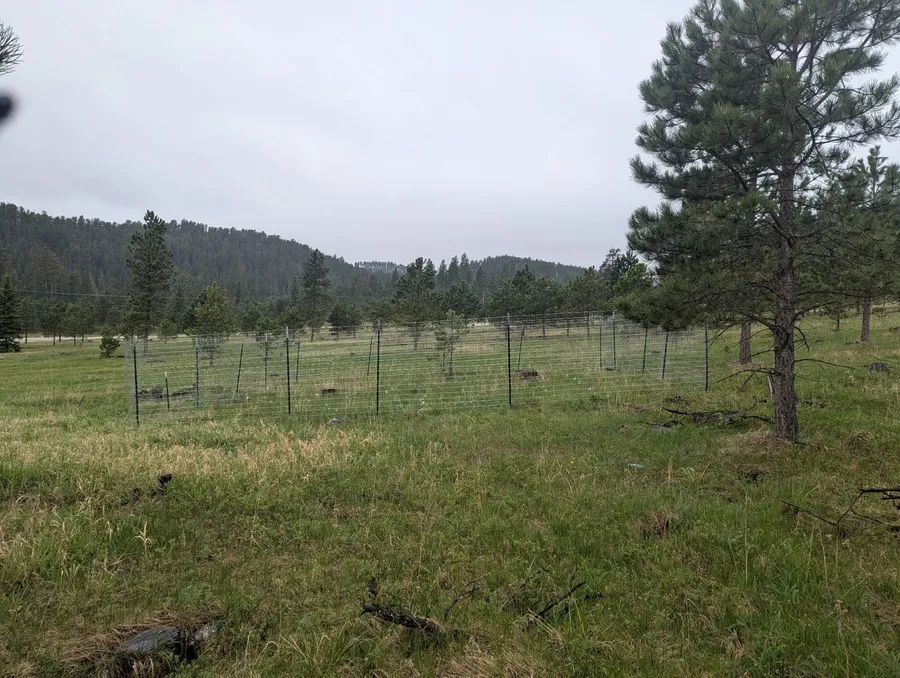
Nemo
Black Hills, South Dakota
A Rhinusa pilosa exclosure and control grid with caged and open Mecinus janthinus release transects.
Sawyer
Black Hills, South Dakota
Caged and open Mecinus janthinus release transects, south of Deadwood.